
In the rapidly evolving landscape of wireless networking and industrial communication, the demand for robust, high-performance connectivity solutions continues to grow exponentially. Among these, 5 GHz access points have become a cornerstone technology, facilitating faster Wi-Fi speeds, reduced interference, and enhanced user experiences across various sectors. Coupled with advances in industrial Ethernet switching, companies are increasingly positioned to deliver integrated networking solutions that address both enterprise and industrial market needs.
### The Growing Importance of 5 GHz Access Points
The 5 GHz frequency band, as opposed to the more commonly congested 2.4 GHz band, offers higher data rates and better performance, especially in dense environments where multiple devices compete for bandwidth. This makes 5 GHz access points critical in settings ranging from corporate campuses and educational institutions to manufacturing floors and smart cities.
The competitive landscape for 5 GHz access point suppliers highlights a robust ecosystem of manufacturers who emphasize advanced features such as MU-MIMO (Multi-User, Multiple Input Multiple Output), beamforming, and seamless roaming capabilities. These features collectively enhance network capacity, coverage, and reliability — key factors in an era dominated by IoT devices, video streaming, and cloud-based applications.
Despite the absence of specific brand mentions, it’s clear that industry leaders collectively focus on innovation that delivers scalable and secure wireless infrastructures. The demand for products that are easy to deploy and maintain, while supporting high client densities and multiple use cases, continues to rise.
### Industrial Ethernet Switches: Backbone of Modern Industrial Networks
Parallel to developments in wireless access points, the industrial sector has seen a notable growth in the deployment of Ethernet switches designed specifically for harsh environments and mission-critical operations. Industrial Ethernet switches provide reliable, high-speed communication links that connect sensors, controllers, and computers within automated and intelligent manufacturing systems.
HX Network, a key player in this domain, has built a strong reputation in the domestic market manufacturing and supplying Ethernet switches tailored to industrial applications. Since 2019, the company has expanded its focus internationally, committing to the industrial Internet communications arena to offer high-quality, durable Ethernet switch solutions to a global customer base.
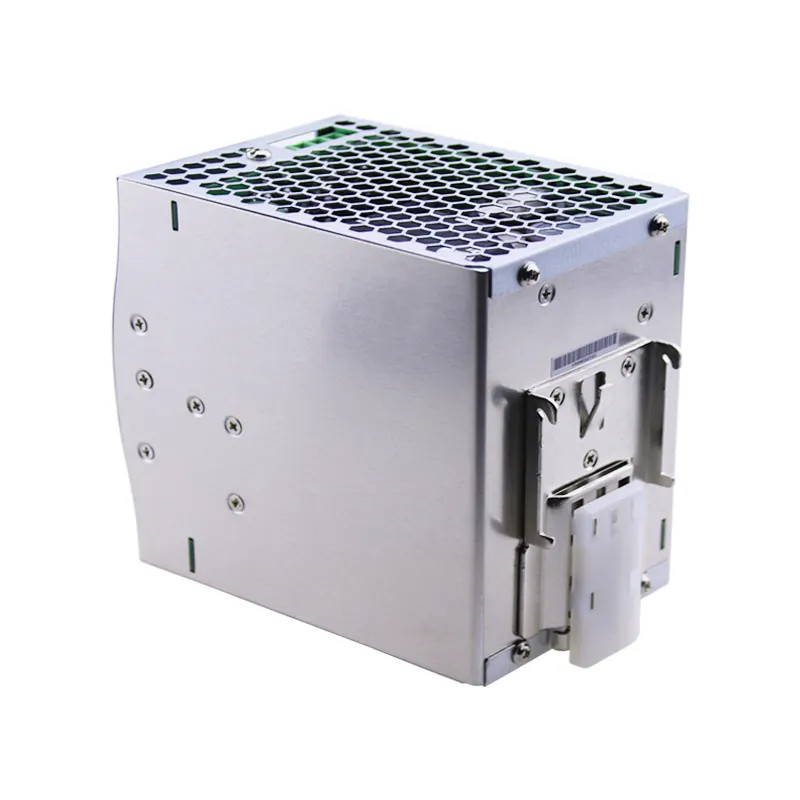
Their portfolio includes both managed and unmanaged switches available in Gigabit configurations, with options for Power over Ethernet (PoE) and DIN rail mounting. These features are integral to industrial networking as they allow easy integration of devices like IP cameras, wireless access points, and sensors without the need for separate power sources, simplifying installation and reducing costs. DIN rail mounting ensures that the switches can be securely installed within control cabinets in factory settings, underscoring the company’s commitment to versatile and practical design.
### Synergies Between 5 GHz Access Points and Industrial Ethernet Switches
The convergence of wireless and wired networking technologies is a defining trend. Industrial environments, traditionally reliant on wired infrastructure for reliability, are increasingly embracing wireless solutions to enable flexible and real-time connectivity. The compatibility between robust 5 GHz access points and industrial-grade Ethernet switches forms the backbone for this transition.
Factories, distribution centers, and other industrial facilities benefit immensely when their Ethernet networks can support high-throughput wireless access points that extend coverage without compromising performance or security. A network architecture combining rugged industrial switches with cutting-edge 5 GHz access points aids in supporting machine-to-machine communication, remote monitoring, mobile workforce connectivity, and data-intensive applications such as augmented reality for maintenance and quality assurance.
### Industry Outlook and Future Developments
Looking ahead, the integration of artificial intelligence (AI), edge computing, and enhanced security protocols will further shape the development of both wireless access points and Ethernet switches. Vendors are investing in advanced firmware capabilities that offer real-time analytics, predictive maintenance, and automated network optimization, enhancing overall system intelligence and responsiveness.
Sustainability also champions product design, with manufacturers prioritizing energy efficiency and long service life to reduce environmental impact. Moreover, the accelerating rollout of Industry 4.0 and smart manufacturing initiatives worldwide propels demand for scalable networking solutions that combine ruggedness with high performance.
HX Network's focus on international expansion and commitment to industrial Internet communication indicates a strategic alignment with these global trends. Their broad offering ensures that customers receive reliable switching components capable of supporting the high speeds and stable connections required for modern industrial and enterprise network infrastructures.
### Conclusion
The fusion of advanced 5 GHz wireless access points with industrial-grade Ethernet switches is transforming connectivity paradigms across sectors. Suppliers that invest in research and development to deliver scalable, secure, and user-friendly networking solutions are poised to capitalize on the burgeoning market opportunities.
As companies like HX Network continue to expand their presence in the global industrial networking landscape, they contribute to building the resilient communication backbones essential for digital transformation. For businesses seeking to leverage the benefits of 5 GHz wireless technology along with dependable Ethernet switching hardware, the evolving ecosystem promises a future of seamless, high-performance connectivity tailored to diverse operational demands.